

Countries

Global Study Destinations
Expert guidance for studying in the USA, UK, Australia, Canada, Ireland, and Europe, tailored to each country’s education system.

Country-Specific Expertise
In-depth knowledge of admissions, visas, scholarships, and post-study opportunities to help students choose the right destination confidently.
Choosing the Right
Country and University
Academic Requirements
Consider universities’ rankings, specific course offerings, and research opportunities.
Lifestyle and Cultural Aspects
Think about the lifestyle, cultural fit, and personal safety in the prospective country.
Costs of Living and Tuition Fees
Evaluate the cost of living, tuition fees, and available scholarships or financial aid.
Language and Communication
Assess language barriers and the need for language preparation.
Personal Preferences and Goals
Align choices with long-term personal and career goals.
A World of Opportunity: Select Your Global Stage
At Edumorphs, we don’t believe in a one-size-fits-all approach. We match your unique profile to the world’s premier education hubs—from the research-led Ivy Leagues and Russell Group to the tuition-free innovation of Germany and the high-ROI career paths of Australia and Ireland. Our expert “End-to-End” guidance ensures that wherever you choose to lead, your transition is strategic, seamless, and stress-free.
Reach out for personalised guidance, application support, and expert assistance in shaping your international education journey.
The US Advantage: Why Choose America?
Studying in the USA remains the “gold standard” for students aiming for global leadership. The primary advantages include:
- Unparalleled Prestige: With institutions like MIT, Stanford, and UCLA consistently topping the 2026 QS and THE World Rankings, a US degree is a globally recognized seal of quality.
- Academic Flexibility: The US system is unique in its “Liberal Arts” approach, allowing students to explore diverse subjects before declaring a major—perfect for those who want a multidisciplinary edge.
- The Innovation Ecosystem: From Silicon Valley to the Research Triangle, students are immersed in the world’s most advanced research and tech environments, often participating in “hands-on” projects that shape the future.
- Strong Career ROI: Despite the initial cost, the long-term return is high. Graduates gain access to the world’s largest companies and the STEM OPT extension, allowing for up to 3 years of work experience in the US.


Strengths
Weaknesses
Opportunities
Threats
Diversity of Choice: Over 5,000 institutions ranging from Ivy League universities to specialized community colleges.
Holistic Admissions: Unlike grade-heavy systems, the US values who you are, rewarding leadership, character, and unique personal stories.
Campus Life: A vibrant culture of “Learning by Doing” through clubs, sports, and student-led organizations.
High Financial Barrier: Rising tuition and living costs require meticulous financial planning and scholarship strategies.
Complex Application Maze: The need for multiple essays, standardized tests (SAT/GRE), and profile building can be overwhelming without expert guidance.
Distance & Culture Shock: For many, the geographical distance and shift in social norms represent a significant emotional transition.
Networking & Mentorship: Access to the world’s most powerful alumni networks that open doors in every major global city.
Career Mobility: The ability to work on-campus (20 hours/week) and gain professional “Optional Practical Training” (OPT) post-graduation.
AI & Tech Integration: In 2026, US campuses are leaders in AI-driven personalized learning, preparing students for the “Future of Work.”
Visa Policy Shifts: Periodic changes in student visa scrutiny and immigration rules require students to stay updated and compliant.
Job Market Competition: A “fair” but competitive job market means students must be proactive in networking and skill-building from day one.
Alternative Destinations: Rising competition from countries like Germany or Canada means US applicants must truly align their goals with the American value proposition.
Strengths
Diversity of Choice: Over 5,000 institutions ranging from Ivy League universities to specialized community colleges.
Holistic Admissions: Unlike grade-heavy systems, the US values who you are, rewarding leadership, character, and unique personal stories.
Campus Life: A vibrant culture of “Learning by Doing” through clubs, sports, and student-led organizations.
Weaknesses
High Financial Barrier: Rising tuition and living costs require meticulous financial planning and scholarship strategies.
Complex Application Maze: The need for multiple essays, standardized tests (SAT/GRE), and profile building can be overwhelming without expert guidance.
Distance & Culture Shock: For many, the geographical distance and shift in social norms represent a significant emotional transition.
Opportunities
Networking & Mentorship: Access to the world’s most powerful alumni networks that open doors in every major global city.
Career Mobility: The ability to work on-campus (20 hours/week) and gain professional “Optional Practical Training” (OPT) post-graduation.
AI & Tech Integration: In 2026, US campuses are leaders in AI-driven personalized learning, preparing students for the “Future of Work.”
Threats
Visa Policy Shifts: Periodic changes in student visa scrutiny and immigration rules require students to stay updated and compliant.
Job Market Competition: A “fair” but competitive job market means students must be proactive in networking and skill-building from day one.
Alternative Destinations: Rising competition from countries like Germany or Canada means US applicants must truly align their goals with the American value proposition.
The Australian Advantage: Why Choose the “Lucky Country”?
- Group of Eight (Go8) Prestige: Australia punches far above its weight, with 9 universities ranked in the global Top 100 (QS 2026). Institutions like Melbourne, UNSW, Sydney, and Monash are research powerhouses with global employability.
- Transparent Migration Pathways: Unlike the “lottery” systems of other countries, Australia offers a clear, points-based roadmap from graduation to Permanent Residency (PR), especially in high-demand fields like Healthcare, Engineering, and Cyber Security.
- Top-Tier Student Earnings: Australia offers some of the highest student minimum wages in the world ($25–$40/hour in many roles). With the work right limit set at 48 hours per fortnight, students can significantly offset their living costs.
- The ESOS Act Protection: Australia is the only country with a specific law (the Education Services for Overseas Students Act) that legally protects the tuition fees and rights of international students.

Strengths
Weaknesses
Opportunities
Threats
Fast-Tracked Official Processing: As an official partner, Edumorphs applications for Go8 schools often bypass general queues.
Climate & Lifestyle: Highly livable cities (Melbourne and Sydney consistently rank in the world’s top 10) with a safe, multicultural environment.
Shorter UG Duration: Most Bachelor’s degrees are 3 years, saving a full year of tuition and living expenses compared to the US.
Housing Shortages: Major cities face high rental demand. Edumorphs addresses this via our auxiliary accommodation scouting services.
High Financial Threshold: The “Evidence of Funds” requirement has increased to AUD 29,710 for living expenses alone.
Strict “Genuine Student” (GS) Scrutiny: Rejection rates for weak “intent” statements have increased, requiring expert narrative building.
Regional Incentives: Studying in “Category 2 or 3” cities (like Adelaide, Perth, or Gold Coast) provides an extra 1–2 years of Post-Study Work Rights.
Skills Priority List: Massive opportunities in emerging sectors like Renewable Energy and Artificial Intelligence which are prioritized for PR.
Increased Intake: The Australian government has announced an additional 25,000 places for the 2026 commencement, opening more seats in premier programs.
Stricter Integrity Checks: The Australian High Commission has increased manual verification of bank statements and previous work experience.
University Risk Ratings: A university’s internal “risk rating” can now affect your visa processing speed; choosing the right institution is more critical than ever.
Evidence Level Changes: Certain countries are now under higher scrutiny (Level 3), making error-free documentation non-negotiable.
Strengths
Fast-Tracked Official Processing: As an official partner, Edumorphs applications for Go8 schools often bypass general queues.
Climate & Lifestyle: Highly livable cities (Melbourne and Sydney consistently rank in the world’s top 10) with a safe, multicultural environment.
Shorter UG Duration: Most Bachelor’s degrees are 3 years, saving a full year of tuition and living expenses compared to the US.
Weaknesses
Housing Shortages: Major cities face high rental demand. Edumorphs addresses this via our auxiliary accommodation scouting services.
High Financial Threshold: The “Evidence of Funds” requirement has increased to AUD 29,710 for living expenses alone.
Strict “Genuine Student” (GS) Scrutiny: Rejection rates for weak “intent” statements have increased, requiring expert narrative building.
Opportunities
Regional Incentives: Studying in “Category 2 or 3” cities (like Adelaide, Perth, or Gold Coast) provides an extra 1–2 years of Post-Study Work Rights.
Skills Priority List: Massive opportunities in emerging sectors like Renewable Energy and Artificial Intelligence which are prioritized for PR.
Increased Intake: The Australian government has announced an additional 25,000 places for the 2026 commencement, opening more seats in premier programs.
Threats
Stricter Integrity Checks: The Australian High Commission has increased manual verification of bank statements and previous work experience.
University Risk Ratings: A university’s internal “risk rating” can now affect your visa processing speed; choosing the right institution is more critical than ever.
Evidence Level Changes: Certain countries are now under higher scrutiny (Level 3), making error-free documentation non-negotiable.
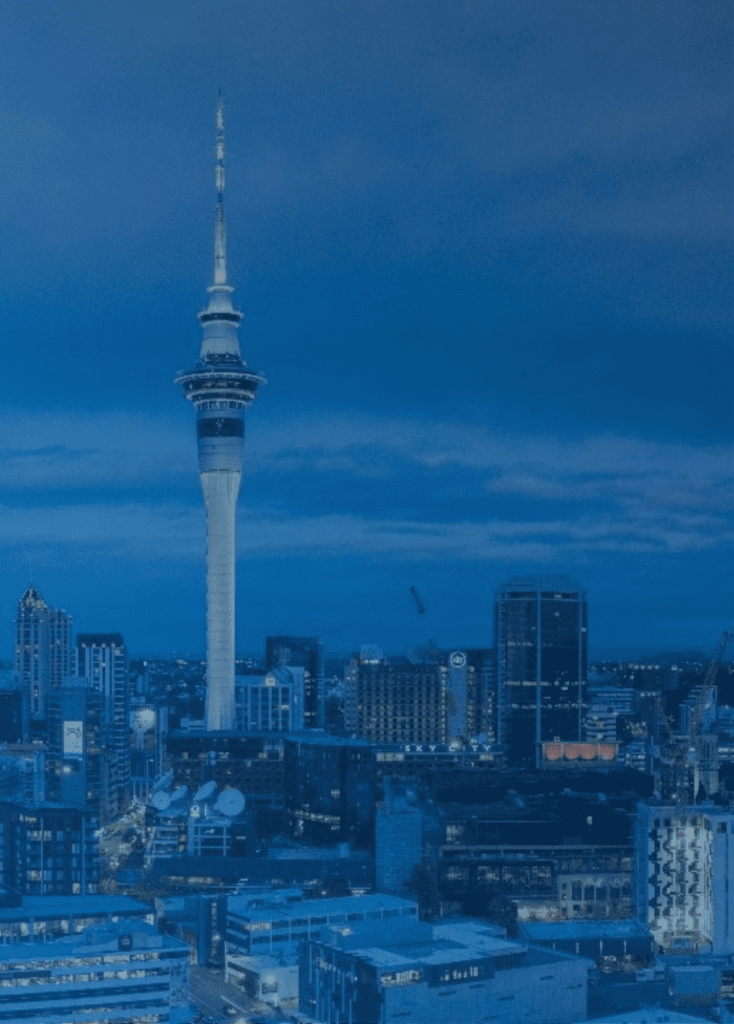
The Canada Advantage: Why Choose the Maple Leaf?
- Academic Prestige & Research Access: Canadian universities like UofT, McGill, and UBC continue to dominate the global Top 50. As an undergraduate, you gain access to multi-million dollar research facilities and faculty who are global leaders in their fields.
- The “Work While You Study” Update: In 2026, Canada has formalized the off-campus work limit at 24 hours per week. This allows you to gain significant Canadian workplace experience and earn a realistic income to offset living costs while maintaining your academic focus.
- Co-op & Experiential Learning: Canada is a world leader in “Co-op” education. Many undergraduate programs alternate academic terms with paid work terms, allowing you to graduate with up to two years of relevant industry experience and a professional network already in place.
- The Graduate Fast-Track: From January 2026, Master’s and PhD students at public universities are exempt from the study permit cap and no longer require a Provincial Attestation Letter (PAL), making the application process faster and more predictable.
Strengths
Weaknesses
Opportunities
Threats
Top-Ranked Institutions: Universities like UofT, UBC, and McGill consistently rank in the global Top 50, offering world-recognized degrees.
Master’s & PhD Priority: The policy shift explicitly prioritizes graduate students, offering them longer work permits and easier entry.
Bilingual Opportunities: Studying in provinces like Quebec or Ottawa offers the unique advantage of dual-language proficiency (English & French), a major asset in the global job market.
Increased Financial Proof: The students must show a minimum of CAD 22,895 (plus tuition) to prove financial stability—a significant jump from previous years.
Tightening Undergraduate Caps: New study permit targets has been lowered nearly 50% for undergraduate and college programs compared to previous years, making entry highly competitive.
Climate Realities: For many international students, the harsh Canadian winter remains a significant adjustment factor.
Skill-Based PR Pathways: New 2026 immigration streams are being designed specifically for graduates in “high-demand” sectors like Healthcare, STEM, and the Trades.
GIC Returns: Higher interest rates on Guaranteed Investment Certificates (GICs) mean students earn better returns on their locked-in living expenses.
Tech & AI Hubs: Canada is a world leader in AI and Machine Learning; students in these fields have immediate access to a thriving innovation ecosystem.
PGWP Field Eligibility: Non-degree students (Diploma/Certificate) must ensure their CIP code is on the 1,107 eligible programs list to qualify for work rights.
Housing Market Pressure: High rental costs in cities like Vancouver and Toronto require students to secure accommodation months in advance.
Verification Scrutiny: The IRCC has increased manual verification of “Letters of Acceptance” to prevent fraud, requiring every document to be 100% authentic.
Strengths
Top-Ranked Institutions: Universities like UofT, UBC, and McGill consistently rank in the global Top 50, offering world-recognized degrees.
Master’s & PhD Priority: The policy shift explicitly prioritizes graduate students, offering them longer work permits and easier entry.
Bilingual Opportunities: Studying in provinces like Quebec or Ottawa offers the unique advantage of dual-language proficiency (English & French), a major asset in the global job market.
Weaknesses
Increased Financial Proof: The students must show a minimum of CAD 22,895 (plus tuition) to prove financial stability—a significant jump from previous years.
Tightening Undergraduate Caps: New study permit targets has been lowered nearly 50% for undergraduate and college programs compared to previous years, making entry highly competitive.
Climate Realities: For many international students, the harsh Canadian winter remains a significant adjustment factor.
Opportunities
Skill-Based PR Pathways: New 2026 immigration streams are being designed specifically for graduates in “high-demand” sectors like Healthcare, STEM, and the Trades.
GIC Returns: Higher interest rates on Guaranteed Investment Certificates (GICs) mean students earn better returns on their locked-in living expenses.
Tech & AI Hubs: Canada is a world leader in AI and Machine Learning; students in these fields have immediate access to a thriving innovation ecosystem.
Threats
PGWP Field Eligibility: Non-degree students (Diploma/Certificate) must ensure their CIP code is on the 1,107 eligible programs list to qualify for work rights.
Housing Market Pressure: High rental costs in cities like Vancouver and Toronto require students to secure accommodation months in advance.
Verification Scrutiny: The IRCC has increased manual verification of “Letters of Acceptance” to prevent fraud, requiring every document to be 100% authentic.
The UK Advantage: Why Choose Great Britain?
- Accelerated Degrees (High ROI): Most UK Master’s degrees are only one year long, and Bachelor’s degrees are three years. This allows you to enter the workforce a full year ahead of peers in the USA or Canada, significantly reducing your total tuition and living costs.
- The Russell Group Pedigree: Graduating from one of the 24 Russell Group universities (like Oxford, Cambridge, LSE, or Manchester) gives you a lifelong stamp of research excellence and elite employability.
- The Graduate Route (Post-Study Work): The UK’s Graduate Route remains a stable pathway, offering international students 2 years (3 years for PhDs) to stay and work in the UK without needing a sponsor.
- Global Networking Hub: Studying in cities like London, Edinburgh, or Manchester puts you at the centre of global finance, law, tech, and the creative arts, providing networking opportunities that are truly borderless.

Strengths
Weaknesses
Opportunities
Threats
Subject Specialization: The UK system values deep expertise; you dive into your major from day one, making you a specialist faster.
NHS Access: International students have access to the National Health Service (via the Immigration Health Surcharge), ensuring world-class healthcare throughout their studies.
Standardized Quality: The Quality Assurance Agency (QAA) ensures that every UK degree meets a strictly monitored high standard of teaching.
Academic Intensity: One-year Master’s programs are incredibly fast-paced, leaving little room for error or academic “catch-up” time.
High Cost of Living in Hubs: London and “University Towns” like Oxford/Cambridge can be expensive regarding rent and daily expenses.
Strict Academic Intent: UK VI (Visa and Immigration) is highly sensitive to “genuine student” intent; your Statement of Purpose (SOP) must be academically rigorous.
Skilled Worker Visa Transition: With the UK’s focus on high-growth sectors, transitioning from a Graduate Visa to a Skilled Worker Visa is highly streamlined for roles in STEM, Healthcare, and Education.
Transnational Education: Many UK degrees offer opportunities to study part of the course in other global hubs, expanding your international exposure.
Chevening & Great Scholarships: The UK government has maintained significant funding for high-achieving international scholars.
Evolving Immigration Caps: While the Graduate Route is active, 2026 has seen tighter rules on bringing dependents for most students, requiring a shift in family planning.
Currency Fluctuations: The strength of the British Pound (£) can impact the “home-country” cost of your education.
Niche Competition: As the UK focuses on “high-value” migration, students in non-priority sectors may face a more competitive job market post-graduation.
Strengths
Subject Specialization: The UK system values deep expertise; you dive into your major from day one, making you a specialist faster.
NHS Access: International students have access to the National Health Service (via the Immigration Health Surcharge), ensuring world-class healthcare throughout their studies.
Standardized Quality: The Quality Assurance Agency (QAA) ensures that every UK degree meets a strictly monitored high standard of teaching.
Weaknesses
Academic Intensity: One-year Master’s programs are incredibly fast-paced, leaving little room for error or academic “catch-up” time.
High Cost of Living in Hubs: London and “University Towns” like Oxford/Cambridge can be expensive regarding rent and daily expenses.
Strict Academic Intent: UK VI (Visa and Immigration) is highly sensitive to “genuine student” intent; your Statement of Purpose (SOP) must be academically rigorous.
Opportunities
Skilled Worker Visa Transition: With the UK’s 2026 focus on high-growth sectors, transitioning from a Graduate Visa to a Skilled Worker Visa is highly streamlined for roles in STEM, Healthcare, and Education.
Transnational Education: Many UK degrees offer opportunities to study part of the course in other global hubs, expanding your international exposure.
Chevening & Great Scholarships: For 2026, the UK government has maintained significant funding for high-achieving international scholars.
Threats
Evolving Immigration Caps: While the Graduate Route is active, 2026 has seen tighter rules on bringing dependents for most students, requiring a shift in family planning.
Currency Fluctuations: The strength of the British Pound (£) can impact the “home-country” cost of your education.
Niche Competition: As the UK focuses on “high-value” migration, students in non-priority sectors may face a more competitive job market post-graduation.
The Ireland Advantage: Why Choose the Emerald Isle?
- Silicon Valley of Europe: Ireland is the European headquarters for 9 of the top 10 global ICT companies (Google, Meta, Apple) and 8 of the top 10 pharmaceutical giants (Pfizer, Johnson & Johnson). This creates an unrivaled ecosystem for internships and graduate roles.
- The 2-Year Stay-Back (Stamp 1G): Post-graduate students benefit from a clear 24-month post-study work visa. This remains one of the most stable and straightforward “stay-back” options in the world.
- English-Speaking EU Gateway: As the largest English-speaking country in the EU post-Brexit, Ireland offers the perfect cultural and linguistic bridge for students wanting to work across the European Union.
- Fast-Track ROI: Many Irish Master’s programs are 12 months long, allowing you to enter the workforce a full year earlier than in the US or Canada, significantly improving your return on investment.

Strengths
Weaknesses
Opportunities
Threats
High Employability: With a national unemployment rate below 5%, the demand for skilled graduates in STEM, Fintech, and Biopharma is at an all-time high.
Globally Ranked Institutions: Trinity College Dublin (ranked 75th globally) and University College Dublin (UCD) offer world-class research facilities.
Triple-Accredited Business Schools: Ireland boasts several “Triple Crown” business schools (AACSB, AMBA, EQUIS), a rare mark of excellence.
Accommodation Crisis: Demand for student housing in Dublin and Cork is extremely high.
Cost of Living in Dublin: While tuition is often more affordable than in the US, Dublin’s rent can be comparable to major global hubs.
Small Market Size: While the tech sector is massive, the physical size of Ireland means competition for seats in top universities is fierce.
Critical Skills Pathway: The “Critical Skills Occupations List” has expanded to include AI specialists and Green Energy engineers, providing a direct route to long-term residency.
Schengen Mobility: A student visa in Ireland provides a springboard for internships and networking throughout the European Union.
Government Scholarships: The “Government of Ireland International Education Scholarship” offers a €10,000 stipend plus a full fee waiver for high-achieving students.
Capacity Limits: Irish universities are not expanding as fast as the demand. Late applicants are facing a high risk of being “waitlisted” even with strong grades.
Strict Visa Compliance: The financial proof requirement is €10,000 for living expenses, and the Irish Naturalisation and Immigration Service (INIS) has increased its focus on “Genuine Intent” verification.
Global Competition: As other countries tighten their rules, Ireland is seeing a massive influx of applicants from around the world, making early application (10–12 months in advance) essential.
Strengths
High Employability: With a national unemployment rate below 5%, the demand for skilled graduates in STEM, Fintech, and Biopharma is at an all-time high.
Globally Ranked Institutions: Trinity College Dublin (ranked 75th globally) and University College Dublin (UCD) offer world-class research facilities.
Triple-Accredited Business Schools: Ireland boasts several “Triple Crown” business schools (AACSB, AMBA, EQUIS), a rare mark of excellence.
Weaknesses
Accommodation Crisis: Demand for student housing in Dublin and Cork is extremely high.
Cost of Living in Dublin: While tuition is often more affordable than in the US, Dublin’s rent can be comparable to major global hubs.
Small Market Size: While the tech sector is massive, the physical size of Ireland means competition for seats in top universities is fierce.
Opportunities
Critical Skills Pathway: The “Critical Skills Occupations List” has expanded to include AI specialists and Green Energy engineers, providing a direct route to long-term residency.
Schengen Mobility: A student visa in Ireland provides a springboard for internships and networking throughout the European Union.
Government Scholarships: The “Government of Ireland International Education Scholarship” offers a €10,000 stipend plus a full fee waiver for high-achieving students.
Threats
Capacity Limits: Irish universities are not expanding as fast as the demand. Late applicants are facing a high risk of being “waitlisted” even with strong grades.
Strict Visa Compliance: The financial proof requirement is €10,000 for living expenses, and the Irish Naturalisation and Immigration Service (INIS) has increased its focus on “Genuine Intent” verification.
Global Competition: As other countries tighten their rules, Ireland is seeing a massive influx of applicants from around the world, making early application (10–12 months in advance) essential.
Germany Advantage: The Engineering & Innovation Powerhouse
- The Tuition-Free Promise: Public universities in most German states still charge zero tuition fees. Students only pay a “Semester Contribution” (approx. €300–€400), which includes a “Semester Ticket” for regional public transport.
- The Shortest PR Pathway in the West: Germany offers one of the world’s fastest routes to Permanent Residency. Graduates on an EU Blue Card can apply for PR in just 21 months (with B1 German) or 27 months (with A1 German).
- Massive Skills Shortage: With a shrinking domestic workforce, fields like AI, Renewable Energy, Healthcare, and Engineering are in high demand.
- The “Direct Lane” for Indians: The APS Certificate and the Migration and Mobility Partnership between India and Germany have streamlined the visa process, making it more predictable and transparent.

Strengths
Weaknesses
Opportunities
Threats
Economic Stability: The world’s 3rd largest economy, offering safe and stable career prospects.
“Made in Germany” Brand: A degree from a German university is a gold-standard credential in engineering and research globally.
Post-Study Flexibility: An 18-month job-seeker visa that allows you to work any job (even outside your field) while you search for a qualified position.
The Bureaucracy “Paper Trail”: Despite a digital shifts, processes like city registration (Anmeldung) and university enrollment still require physical presence and meticulous paperwork.
Language Gap: While you can study in English, B1/B2 German is essential for thriving in the job market and social integration.
Grade-Centric Admissions: Public universities are strictly merit-based; a low GPA can be a significant hurdle that requires a shift toward private university strategies.
The “Chancenkarte” (Opportunity Card): A new points-based system that allows graduates to stay longer and work part-time while finding their dream role.
Green Tech Hub: Germany is the global leader in the “Green Transition,” creating thousands of roles in sustainable engineering and climate tech.
High Student Wages: The minimum wage is over €12.41/hour, allowing students to comfortably cover living costs through part-time work.
Blocked Account Inflation: The mandatory deposit has risen to €11,904 (approx. ₹10.7 Lakhs) to reflect the rising cost of living.
Housing Shortages: Major hubs like Munich, Berlin, and Hamburg face severe housing crunches; searching 4–6 months in advance is non-negotiable.
APS Delays: High volumes of Indian applicants can lead to 4–6 week delays in mandatory document verification (APS).
Strengths
Economic Stability: The world’s 3rd largest economy, offering safe and stable career prospects.
“Made in Germany” Brand: A degree from a German university is a gold-standard credential in engineering and research globally.
Post-Study Flexibility: An 18-month job-seeker visa that allows you to work any job (even outside your field) while you search for a qualified position.
Weaknesses
The Bureaucracy “Paper Trail”: Despite a digital shifts, processes like city registration (Anmeldung) and university enrollment still require physical presence and meticulous paperwork.
Language Gap: While you can study in English, B1/B2 German is essential for thriving in the job market and social integration.
Grade-Centric Admissions: Public universities are strictly merit-based; a low GPA can be a significant hurdle that requires a shift toward private university strategies.
Opportunities
The “Chancenkarte” (Opportunity Card): A new points-based system that allows graduates to stay longer and work part-time while finding their dream role.
Green Tech Hub: Germany is the global leader in the “Green Transition,” creating thousands of roles in sustainable engineering and climate tech.
High Student Wages: The minimum wage is over €12.41/hour, allowing students to comfortably cover living costs through part-time work.
Threats
Blocked Account Inflation: The mandatory deposit has risen to €11,904 (approx. ₹10.7 Lakhs) to reflect the rising cost of living.
Housing Shortages: Major hubs like Munich, Berlin, and Hamburg face severe housing crunches; searching 4–6 months in advance is non-negotiable.
APS Delays: High volumes of Indian applicants can lead to 4–6 week delays in mandatory document verification (APS).